Showing posts with label to. Show all posts

Wednesday, June 7, 2017

Home Practice The Best Way to Improve Your Health and Well Being


by Timothy
Bed in a Mirror by Nina Zolotow
"If you are taking yoga classes but not practicing at home, you may be missing the best—and potentially most therapeutic—part of yoga. Your personal practice is where the deepest work happens, when you go inward and go at your own pace."—from Yoga As Medicine

This quotation from my book got posted on Facebook the other day and generated quite a bit of interest. But not everyone, particularly those who only take classes, agrees with the statement. A woman came up to me at a yoga conference earlier this year to say she’d heard me make a similar comment at a workshop I taught in Los Angeles a few years ago, and it made her really angry. It’s easy to understand that reaction when your experience in class has been so positive, and even healing.

But now scientific research seems to back up the notion that a regular home practice really is the key to health and well-being, perhaps particularly so as we get older. A study recently published in the journal Evidence-Based Complementary and Alternative Medicine by researchers at the University of Maryland and the National Institutes of Health found that, among more than 1000 practitioners of Iyengar yoga, the frequency of home practice predicted positive health more than how long you’ve been practicing or how many classes you attend per week. According to the article “Frequency of yoga practice predicts health: results of a national survey of yoga practitioners,”:

“Frequency of home practice favorably predicted (p < .001): mindfulness, subjective well-being, BMI, fruit and vegetable consumption, vegetarian status, sleep, and fatigue.”


In other words, those who practiced at home the most reported better health and well-being, greater awareness of themselves and others, improved sleep, less fatigue, and healthier body weight. They were even more likely to eat their vegetables!

The study bore out something else I’ve been teaching for years: when you combine the various tools in the yoga toolbox including asana, breathing practices, meditation and even study of yoga philosophy you tend to get even better results. As the authors put it, “an intense practice involving all aspects of yoga practice may be more beneficial to health than a less intense practice that includes only one or two aspects of yoga practice, such as just practicing the physical poses or breath work.”

There also appeared to be additional benefits for combining different types of asana practices, such as standing poses, vigorous practices like Sun Salutations, restorative poses including Savasana, and inversions like Shoulderstand. Different practices appeared to be particularly beneficial for specific conditions. Vigorous asana and inversions seemed to help the most with insomnia and body weight, whereas, according to the authors, “because breath work and meditation appear to influence mindfulness and well-being, they may be particularly useful in treating conditions such as depression and anxiety.”

One finding that may be of particular interest to readers of this blog has to do with fatigue. Overall, older practitioners had less fatigue than younger practitioners, but both groups improved when they did yoga. But it appears to take less practice for older practitioners to experience improvements in energy.

As for the woman who was mad at me for saying that a home practice was more important than going to classes, she went on to say that, almost despite herself, she did try doing her yoga at home. Now she does it regularly and believes it’s the most important part of her practice. She thanked me profusely, though of course most of all she can thank herself!

Subscribe to Yoga for Healthy Aging by Email ° Follow Yoga for Healthy Aging on Facebook ° Join this site with Google Friend Connect


Thursday, May 11, 2017

Is Womens Flexibility a Liability in Yoga Sharis Response to William Broad


by Shari
The latest New York Times article from William Broad Women’s Flexibility is a Liability (in Yoga) sparked a conversation between Nina and me, both whom are long-term yoga practitioners who have grappled with orthopedic injuries. Broad states that he has recently learned that women are at higher risk of hip injuries in a yoga class because of their inherent flexibility compared to men. He quotes a single yoga teacher, Michaelle Edwards, saying that “women’s elasticity became a liability when extreme bends resulted in serious wear and tear on their hips. Over time the chronic stress could develop into agonizing pain and, in some cases, the need for urgent hip repairs.” He also says of arthritis researchers:

The investigators found that extreme leg motions could cause the hip bones to repeatedly strike each other, leading over time to damaged cartilage, inflammation, pain and crippling arthritis. They called it Femoroacetabular Impingement — or F.A.I., in medical shorthand. The name spoke to a recurrence in which the neck of the thigh bone (the femur) swung so close to the hip socket (the acetabulum) that it repeatedly struck the socket’s protruding rim.

I personally can’t stand sensationalism of any type and particularly sensationalism of the fear and scare tactics kind. When I first saw this article, I groaned inwardly. But I then proceeded to read it carefully, including the related links, and then went on to do some additional research of my own. After all that, my response is: maybe.

First of all, I, as a long-term yoga practitioner, am not sure what exactly he means. We all can be overly flexible in some areas of our bodies and conversely overly tight in other areas of our bodies. The biomechanical model of structure and function is a beautiful yin and yang interplay between forces that influence our bodies, and yes, can ultimately change our structure and function. Some changes may not be as beneficial as others so we need to be consciously selective and astute to observe what changes occur with function.

I also think, as in the past, Broad is careless in his citations of his evidence and is vague about these ER records of hip injuries. However, he does cite some orthopedists and one international study that do substantiate his observation that women who put their hips into extreme ranges of motion can injure their hips. Well, this is blatantly obvious to anyone who may be neurologically intact. When a joint is taken into an extreme position there is a pain response recognized by the central nervous system that warns the person to back off. Of course, if we choose to ignore the pain response, then is it the yoga that is causing the injury or is it the person who is foolishly not listening to the feedback their body is providing?

I also think that to address William Broad’s assertion that women are more flexible than men, we need a better working definition of (biomechanical) flexibility:

Flexibility is the range of motion in a joint or group of joints, or, the ability to move joints effectively. Flexibility is related to muscle strength. Flexibility is also the ability to move through a full range of motion.

Flexibility is a conscious movement that has an intricate feedback mechanism between the muscles and the nerves innervating the muscles and the joints and the central nervous system. There are significant protective mechanisms that prevent the individual from overstretching if they PAY ATTENTION to the sensation of pain rather than ignoring it.

So are women “inherently” more flexible than men? Well, it depends who you ask. But all sports attract a body type, and if yoga is considered a “sport” then there is a body type that is drawn to yoga. We all like to do things that are “easy” and for some flexible bodies yoga is “easy.” The rub here is that this isn’t “yoga” but athleticism masquerading as yoga!

So now let us look at his assertion that yoga is the root cause of “femoracetabular impingement”. The literature that I read, including one of his references, states that the subjective symptoms are deep anterior groin pain with associated intermittent catching and locking of the hip joint. In addition, there is a significant decrease in hip internal rotation. The morphology is that there is a breakdown of the hip labrum (how the head of the femur is connected into the cup of the pelvic acetabulum) and the articular surfaces of the femur and acetabulum. There is a structural change in how the head of the femur is sitting and facing, and movement of the hip will continue to tear the tissue structures with a loosening of the integrity of the hip joint. The problem is that a lot of individuals who have this condition are pain free, asymptomatic and don’t know they have it. The concern is that this condition may be a precursor to developing hip arthritis down the road. There are four types of femoracetabular impingement and one type is more common in women and one type more common in men!

Another article that I read stated that the condition is caused by internal rotation of the hip while in 90 degrees of hip flexion. Yes, this can be Uttanasana (Standing Forward Bend)! So is the problem the combination of these two movements? I don’t know, but does that mean you need to stop doing Uttanasana? I don’t think so unless it is causing pain. And, yes, there are some pretty extreme hip positions in yoga which only some of could do when we were younger (maybe can still do them now) but the bottom line is that we need to practice with intention and attention to form, function and our own bodies' abilities and not soldier on through the pain. Yoga, as we have mentioned time and time again, can be physically and mentally challenging, but is not supposed to hurt. So don’t be scared off again by a sensational journalist who claims he is a yogi.

In a future post I would like to present some of the inherent differences between male and female pelvis and hips that might also help to put into perspective the allegation of the differences between men and women.

Subscribe to Yoga for Healthy Aging by Email ° Follow Yoga for Healthy Aging on Facebook ° Join this site with Google Friend Connect

Friday, April 28, 2017

A constructive way to fortify your fatty liver diet


By Karl R. Deen


Fatty liver diet information such as nafld or non-alcoholic fatty liver condition is a condition where extraneous fat is saved in the liver. In its initial stage this condition does not provide any damage to health concerns and is completely reversible.

If you've been diagnosed with fatty liver condition and no accompanying scarring or swelling has in reality been found in your liver the best option is to modify your diet plan

Exercise and dieting is the best-known treatment for NAFLD, and it's one treatment that does not have the negative side-effects produced by drugs. Right here are some prerequisites for altering your diet technique and elemental ways of living to resolve your NAFLD

When making an application for medical insurance protection plans it is essential to grasp exactly what your coverage will certainly consist of. Health insurance coverage which covers incidents like these might make a difference having the capacity to control you health.

Paths to forestall fatty liver Problems.

1. It is the little adjustments in your lifestyle and diet that cause the enormous alterations in the long term. Begin little and do not force yourself to modify over night. Keep in mind that countless people have actually had enduring consuming routines that will not be basic to modify.

There will certainly be relapses, and there will be instances when you utterly change your objective of becoming healthy. However that does not indicate that you can not change how you consume food. As long as you are able to do your goals you will.

2. Try to find the help of a dietitian if you desire a main meal approach to pick your weight lower efforts. Speaking with a diet therapist is actually a superb system to start your weight control process.

if you have an insurance for your well-being you can use their employee-based insurance. If you're younger than 26, you may be on your mum and dad insurance coverage and you can steadily check out individual insurance plans, and you may similarly search for your own insurance protection too.

Weight control equaling to 10 percent of your present body weight is regularly satisfactory to reverse straightforward fatty liver condition so having a well balanced and healthy diet plan is good.

Even pro fitness teachers will attest for the reality that fat consuming is 80 pc diet and simply 20 pc workout. The exercise has a critical duty, however the impact of diet can be far greater.Why There's a common eventuality where people like you and me tend to consume much more calories than those basically being burned. So if I exercise and burn away 500 calories and I eat a food that offers 500 calories of energy or even more, the result of the exercise is moistened. Your diet plan must alter together with the daily physical fitness systems to obtain fantastic outcomes.

More fatty liver is preserved in the organ, and you'll definitely be back to square one. The weight might have come off, nonetheless the fat in your liver will definitely still be there. The best strategies for fat-burning that doctors suggest is one pound of weight lost weekly. That is the best If you lose 2 pounds a week that is still suitable, as long as you are consuming the best diet plan for your fitness this could assist you to stay clear of fatty liver issues.


About the Author:


Tuesday, April 11, 2017

OCD A to Z U is For Unique Fears


breathing underwater

U was a hard one at first, but I remembered how many times I've encountered concern about having unique fears on the OCD Support Yahoo group, and in my own OCD support group, and in comments and emails from readers. OCD is as diverse as the people who suffer from it, with obsessions and compulsions that can be as unique as a fingerprint, but sharing the commonality of being human, and suffering from this disorder.
  • There is a despair that you are the only person who has a unique set of symptoms, and therefore maybe it's not really OCD, but something more dire.
  • There is fear that if no one else has these symptoms, no therapist will be able to help.
  • There is a visceral panic that the very bizarreness of your thoughts is a sign about you as a person, and your worth.
These fears are compounded by the lack of therapists trained in Exposure and Response Prevention Therapy, and who have sufficient experience treating OCD. For an inexperienced therapist, OCD symptoms may sound unique, but to someone who is familiar with OCD, they can see the underlying thread, the essence of the disorder underneath the permutations. This is not the same as finding a perfect therapist, and if you are like me and have perfectionist OCD, this can make it difficult to accept that all therapists are imperfect, even good ERP ones.

OCD is strangely unknown. Yes, there are whole reality TV shows devoted to it, but when faced with a patient in their office, it is all too easy for therapists to be distracted by the individual symptoms, trying to figure them out, trace their causes. This is what works in therapy for many other problems. I believe that recognizing OCD can be learned. My therapist didn't start out as an ERP therapist, but his OCD patients weren't getting better, and he wanted to learn more, and he educated himself, and now wants to go out and spread the word to his colleagues through continuing education and conferences.

It's like when someone mentions something and then you see it everywhere, but before then, you never noticed. Here is my prescription for therapists who want to learn more:

  • Read Jonathan Grayson's Freedom From OCD to get the basics of ERP
  • Read messages on OCD Support, and PureO, and Anxiety Zone. Scan at least a year's worth of threads, and note the recurring themes(but you do not need to replicate my compulsive reading of all the archives of OCD Support. . .)
  • Go to the IOCDF Conference and or/become a member of IOCDF and read the newsletter. If you are therapist check out the Behavior Therapy Training Institute. They the IOCDF also has a list of treatment providers.
My prescription for someone suffering from a fear of having unique, untreatable symptoms would be much the same as for therapists, along with the knowledge that this is OCD's mode of operation to latch onto whatever is important to you, whatever your unique life experiences. For me, obsessing about obsessing is a struggle, so worrying that my OCD wasn't OCD, became one of my key themes, and I had to practice doing imaginal exposures, listening to scripts about how my OCD might really be something else, or untreatable, while going ahead with my treatment.

Wednesday, March 1, 2017

OCD A to Z P is For Perfectionism


perfectionism

Perfectionism is a big part of my OCD, and one of the biggest obstacles to doing Exposure and Response Prevention Therapy(ERP), because of looking for "perfect" ways to do it. I've had some readers query whether I actually have Obsessive Compulsive Personality Disorder(OCPD) rather than OCD, because of all the posts I've written about perfectionism. My understanding, via my therapist, is that there is an element of finding perfectionism to be pleasing rather than painful in the case of OCPD. My impulse is to look this up, but I've looked it up in the past, and I know the familiar trap of wanting to get everything just right.

Early on I decided that I could be loved by my family only if I never made a mistake again, and I strived to always to get things right on the first try, or I would procrastinate ever trying at all, in order to avoid failure and the feared consequence of becoming worthless and unloveable. Avoidance became one of my major compulsions, as OCD got its claws into my fears, ever the vulture circling. The most frustrating aspect was that often I didn't even know what "perfect" was in any given situation, just that whatever I was doing was "imperfect" . It was a moving target, always changing, and if I finally felt "aha, that's it" then my mind would generate some other aspect to make perfect.

It's been a battle accepting that my mind will probably continue to generate thoughts of not being good enough, or done, or finished, or that I've ruined a day, or my life. But I also see that I don't have to jump when these thoughts arrive, scrambling to fix things, make things perfect. Perfection is a corrosive illusion, and all the "Perfectionism is actually an advantage" truisms used to send me into compulsive searching to find out if this was really true, because I could never be wrong, always had to figure things out. But I know from experience that perfectionism is most likely to prevent me from getting things done, keeps me searching for photos on flickr past the first couple pages, or delaying writing posts until I find the "right" topic. I have met amazing readers with OCD through this blog, in all its imperfections, and offered some hope, and that is what keeps me going.

Friday, January 27, 2017

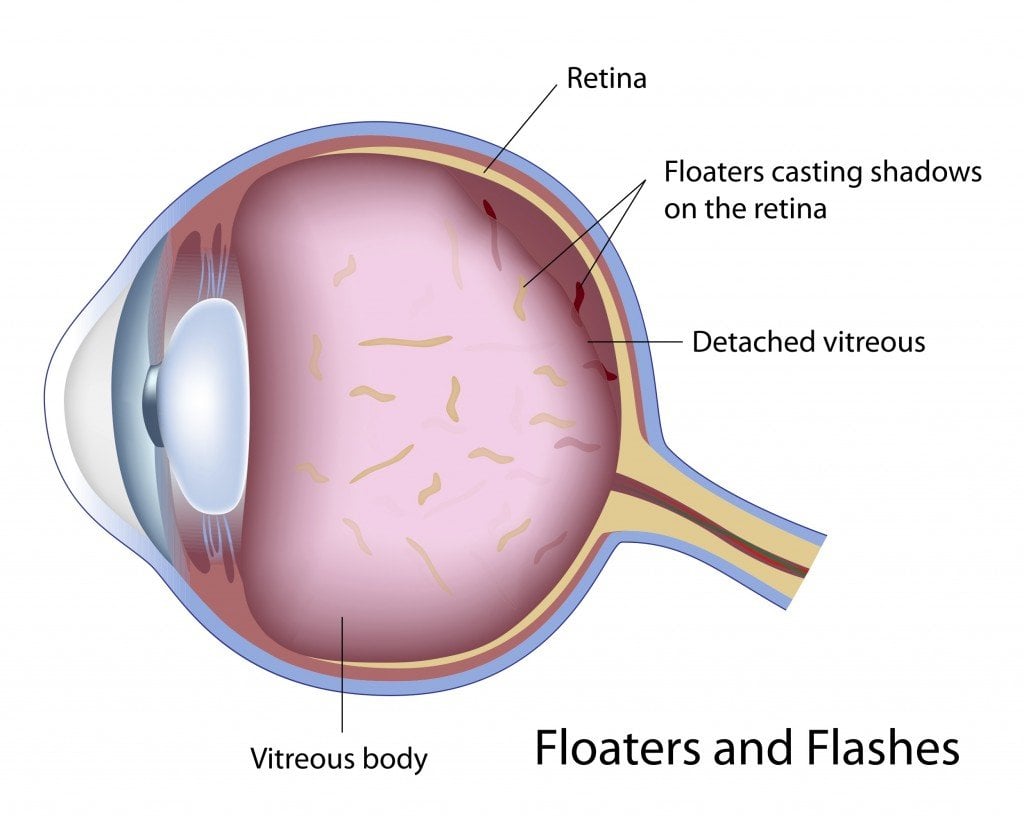
PDF Eye floaters close to retina


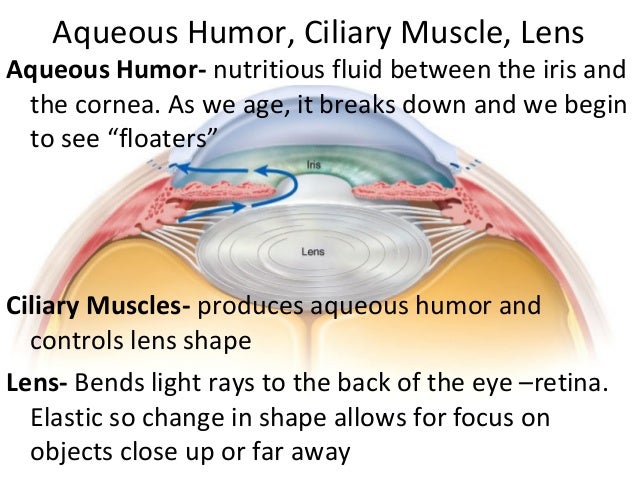
Eye floaters close to retina is normally one in every of necessary . beneath at this point Can certainly belonging to the listing google and yahoo To be able to supply useful info to the customers we certainly have sampled to search out all the near relevance visuals round Eye floaters close to retina Not to mention in this case you intend to check out nowadays, those pics have already been undertaken from the leading resource.

What Causes Eye Floaters? Mental Floss What Are Those Floating Things In Your Eyes? » Science ABC Sheep eye dissection Research for Eye Floaters Treatment by Jen Ambrose - GoFundMe Pink Eye: How To Treat and Prevent Pink Eye (Conjunctivitis) OCT-Optical Coherence Tomography St Augustine Trinidad West Indies

They will are around for down load, in order for you plus prefer to accept it then click preserve banner for the web site, in addition to it’ll possibly be promptly downloadable on your laptop. Last of all if you want to gain new and even most recently released image relating to Eye floaters close to retina , i highly recommend you observe united states for bing and also and also take note of this web site, you make an effort much of our most beneficial to provide you day by day modernize through impressive and even innovative subject matter. Develop you want our own internet site.

Eye floaters close to retina - it's already been submitted with the hope of which we are able to encourage helpful to a person. This information could provide as being a reference point remember when you are mystified to choose the best suited lead This Eye floaters close to retina posts may be your best option to be applied to the work plan, while it includes unique system is going to come to feel extra contented Eye floaters close to retina - Valuable suitable for you thus most of us looking to uncover a trusted supply that will help you look for contemplation lacking mix-up. remember in order to save this site, due to the fact possibly 1 day you will require that again seeing that ones inspirational thoughts.


Wednesday, January 25, 2017

How to Remove Tonsil Stones Successfully


By Pat Rutherford


Are you feeling frequent discomfort when swallowing, even if it happens to appear that there isn't anything wrong with your throat and tonsils. You may be suffering from tonsillolith, or tonsil stones.

This condition is very common, but even expert medics do not pay much attention to it because it does not cause any serious health Problems in any way. Tonsilloliths or tonsil stones often form in the assorted little fissures of the tonsils.

This fleshy area in the throat can infrequently have too many opening or fissures, this can become a problem for some folks that are susceptible to developing tonsil stones not everyone experiences this health condition.

These pea-sized calcified formations can be found in both the palatine and lingual sectors of the human tonsils. If you are wondering about the composition of the tonsil stones, well, they are made of different minerals remaining true to their name.

You will find calcium and magnesium in removed tonsil stones. In other cases, the stones are also made up of ammonia residues, and even carbonate material.

Doctors are, generally, not very involved with tonsil stones for a simple reason that they, usually, do not cause fatalities even in the nastiest of cases. The cause of this is the particular size of the tonsil stones. Most tonsil stones weigh only 300 mg or about the size of a regular multi-vitamin.

Removing the tonsil stones

The easy way to have the stones removed is to visit an ENT doctor a doctor that specializes in the ear, nose, and throat so that the foreign body in your throat can be examined closely.

If you think you have one or two tonsil stones, and it's causing a large degree of discomfort on an everyday basis, then having it manually removed by an ENT doctor is a good choice.

Take note, however that folk who have tonsil stones often develop more stones later. Hence it is likely going to be a re-occurring problem. It might be a good idea to visit your ENT doctor when you have re-occurring dog breath, because tonsil stones have been observed to cause bad breath.

In reality fresh studies suggest that one of the main contributing factors to the development of these hard, calcified stones are bacteria. And as you may already know, the mouth is the site of millions of bacteria at any particular time.

And, when the bacteria in the throat and the mouth get the advantage, it?s not very hard to imagine the havoc that these micro attackers may cause in the throat area.

Now, another strategy for removing tonsil stones is by manually extricating the stones with the use of an implement like a cotton swab. Though doctors still advocate tonsil stones treatment visitation for most medical issues, it would seem that this home remedy is O.K. AAs long as you can manage the minor gagging pain brought about by sticking a foreign object so close to the throat.

It is slightly complicated to do at first, but if you can manage solely to control your gag reflex for a minute or two. You can take away the stones yourself, particularly if it is close to the opening of the throat, and you can easily find it with the usage of a mirror.


About the Author:


Mesothelioma Still a Dread to Deal With… But Easy to Prevent Cancer!


Though rare, mesothelioma has become a word to dread from. Numerous people till today are becoming victims of asbestos poisoning that leads to this cancer. Though the cancer begins with genetic mutation, in 70 to 80% of people, asbestos plays a major role in development of mesothelioma.

The purpose of this article is to spread awareness regarding the harmful use of asbestos in any type of industries.

It is a substance used in many industries without taking the actual precaution it needs while handling. People working in asbestos mill, shipyard workers, workers in heating and construction industries, are at risk. Asbestos is also used in cement, insulation, breaks, flooring, roof shingles, etc. Asbestos is a group of minerals. They are the masses of strong flexible fibers that can be divided into thin threads and woven. During manufacturing process, the tiny asbestos particles float in the air and may be inhaled or swallowed. The fibers may settle in the lungs or in the stomach, where they can cause irritation and the cancer develops, though the exact mechanism is not known. It can take 20 to 40 years or more, before the symptoms become apparent after asbestos exposure. Also, people living in the houses of asbestos workers are at risk, as the workers may carry asbestos dust on their clothes, hair, etc. Smoking does not appear to increase the risk but a combination of smoking and asbestos exposure significantly raises the chances of air passage cancers.

Are there any other factors besides asbestos?

1)     Minerals like asbestos- Zeolite, a naturally occurring asbestos like mineral is supposed to cause mesothelioma. It is used in countries like Turkey to construct homes.
2)     Family history- as with some other cancers, family history is postulated to increase the risk of mesothelioma. But more research is needed to determine its true role.
3)     Radiation- Some researchers link thorium dioxide to the cancer. It is a radioactive substance used along with the X-rays for the diagnosis of different health conditions. But it is no longer used.
4)     Virus – SV40 is a virus found in monkeys. This virus got in contact with human beings when the monkey cells were used for polio vaccine. It is also stated that this virus can have human-to-human transmission but it is not clear how.

What are the alarming findings of mesothelioma that need to be shown to physician?
(Signs and symptoms of the cancer)-
They depend on the origin of cancer.
1)     If the pleura are involved, the presenting symptoms usually are shortness of breath and chest pain while breathing. Sometimes unusual lumps of tissue can be felt under the chest cage. There can be unexplained cachexia (weight loss) and non-productive cough.
2)     Peritoneal mesothelioma may present with abdominal pain, swelling, change in the bowel habit (unusual constipation or diarrhea), lump felt in the abdomen, etc.
3)     If the cancer has spread to other parts of the body, there may be pain in the affected area, swelling of face and neck region with difficulty in swallowing.
Whatever your signs and symptoms indicate, remember that only a doctor can make a diagnosis of mesothelioma.

Treatment of Mesothelioma-

Modern medicine is still struggling to find absolute cure for mesothelioma or any cancer for that matter. Obviously the baseline therapies like surgery, radiation, chemotherapy etc are opted for depending upon the stage of the cancer. But nowadays doctors emphasize on undergoing clinical trials for patients of Mesothelioma because numerous trials are being carried out in reputed cancer institutes. However the results are uncertain and the process may be excessively expensive.

Considering all the options, many doctors nowadays suggest the alternative therapies like Homeopathy for the dread called Mesothelioma. The homeopaths all over the world are contemplating various possibilities for the treatment of Mesothelioma. Though they do not boast to cure Mesothelioma totally, they do have very good results in terms of alleviation of symptoms of Mesothelioma. The excessive cough, chest pain, and constitutional symptoms like malaise, fever or weakness can be effectively dealt with by different Homeopathic remedies.

One of the definitive treatments in Homeopathy for Mesothelioma is said to be mistletoe therapy. It is an immuno-augmentative therapy in which an herb called Iscador is extracted from mistletoe and administered to the patient in the form of injections or tablets. As the name suggests, the therapy aims at boosting the suppressed immune system and thus giving relief to the troubled patient.

Prevention of Mesothelioma-

Simple use of well-fitting facial mask is sufficient to prevent the dreaded after effects of asbestos handling. Rather, all the employers must take ample precautions to avoid such incidences with their employees. Failing to do this, the employer may have to face stringent justice elicited in the court of law by mesothelioma lawyers. The compensation may cost millions to the employers. It is better to be safe than sorry later!


Sunday, September 11, 2016

Learning to Sit on the Floor Part 2


by Baxter
Last week, our resident physical therapist and yoga teacher Shari Ser began a discussion about learning how to sit well on the floor. While sitting on the floor is frequently the first position we take in most modern yoga classes, there is often little attention given to the various ways we can sit comfortably either at the start of a class or for home meditation practice. So if you did not have a chance to get to it last week, I suggest you read Shari’s post now (see Learning to Sit on the Floor), with special attention to the last half of the post that covered yoga poses to strengthen the supporting muscles of the spine and back, as well as ways to improve flexibility of the spine, especially in the area of the rib cage. 

Today I’m going to address a follow-up question one of our readers left on Shari’s post: 

Something missing for me here: I can't sit cross-legged because my knees won't go down and my ankles can't stand the bend caused by knees less than halfway to the floor. I couldn't do this even when I was young, flexible, and lean. Help? 

This reader highlights a reality that many of my students encounter when trying to take a comfortable seat in yoga: their bodies don’t allow them to sit easily in cross-legged position, not due to lack of work on the poses that can open and strengthen them to improve their ability to sit, but due to structural realities of their bodies. It turns out some people’s skeletons and connective tissue just don’t permit enough movement—particularly in the hip joint—to allow the pelvis and femur bones (thigh bones) to take their ideal positions. This usually becomes apparent after a practitioner has spent a reasonable amount of time trying to improve his or her sitting position without seeing any changes in those joints.

So today I’m going to make some suggestions for those individuals, and I suspect many of our readers fall into that category! First, make sure you have an adequate support under your sitting bones to elevate your entire body for sitting. Shari suggested a folded blanket or pillow on a chair seat to start to get the idea of your hips being slightly higher than your knees. For challenged yogis who are sitting in Seated Crossed Legs position (Sukasana), I suggest sitting on two to three folded blankets, on a block, or on the edge of a firm bolster.
You will have to experiment with how much height you need to get your hips high enough so they are even with or higher then your knees. Sometimes, if your support is high enough, you might feel a release in your pelvis and hip joints, and your knees might drop a bit more than expected, even for those like our questioner today. Second, provide some support under your knees. Using a block on each side may immediately resolve any pain that is occurring in you knees or hips (and maybe even your ankles). 
If you do all that and your ankles are still uncomfortable, try rolling a blanket and wrapping it around your ankles and under your knees. This alone may support and cushion your ankles and support your knees.
Unfortunately, even with all of these props, some of my students are still unable to get comfortable Seated Crossed Legs position. So this is where my personal favorite way to sit comes in: Hero pose (Virasana).
In Hero pose, the challenges for your body are different than Seated Crossed Legs position (Sukasana), so you may still need some support. If your knee joints and/or ankles are stiff, the propping I will show here today will likely take care of those difficulties. If your lower spine is stiff or your front thigh muscles are tight, you may still need a lift under your hips to get that slight forward pelvic tilt that allows your lumbar spine (lower spine) to take on its natural curve. In this pose I personally always sit on at least one block on its lowest or middle or lower height, so I suspect you will need to experiment on you own to discover the height that is best for you.

Start by placing a folded blanket on your mat to support your shins. Then kneel on the blanket, with your knees near front of blanket, and your ankles and feet hanging off the back edge. Have your knees hips-distance apart, but splay your shins a bit wider apart in back. Place a block on its lowest or middle height (or a stack of two blocks) sideways between your feet, so both sitting bones can rest on it). Then carefully sit back on the block. Adjust your pelvis, as you might move it in Cat/Cow pose, until your lower back feels like it has a nice natural arch. 


Many practitioners have ankles that are very stiff and inflexible. So if your ankles are uncomfortable in this pose, you can use an additional blanket under your ankles to relieve that tension. (To improve ankle flexibility in the long run, practice poses such as Child’s pose (Balasana) and Cobra pose (Bhujangasana) that stretch your ankles and the tops of your feet.)
Finally, if you do end up adopting Hero pose as your preferred sitting pose, I’d suggest you exit from it carefully—especially if you end up sitting for longer periods of time—because your knees have been deeply flexed in this position. To come out of the pose, carefully shift forward onto hands and knees and stretch one leg at time back behind you to open up your knee joints.

And with whichever sitting pose you choose to work on, as you build strength and flexibility in your spine with our other recommended yoga poses, add in an inner action I call the “inner lift.” This simply means that as you sit, you imagine lengthening up from your sitting bones to the crown of your head through the center of your spine. Notice how long you can maintain this feeling of inner lift before you begin to sag and lose support. Then, try to re-establish the feeling again for a while. If you start to fatigue and can no longer easily maintain your inner lift, stop for the day and note how long you sat. Try to gradually spend more time in your seated position, so that eventually you, like our reader who is preparing for his wedding, will be ready to sit for longer periods of time! 

And if you do find yourself in a situation where you need to spend a long time sitting on the floor and you realize that even in your preferred position your legs are starting to go numb or you are feeling pain, switch to another seated position to give your legs a rest (switching between supported versions of Simple Crossed Legs and Hero pose works well for many of us).

Subscribe to Yoga for Healthy Aging by Email ° Follow Yoga for Healthy Aging on Facebook ° Join this site with Google Friend Connect

Thursday, August 18, 2016

How to Seek Online Homeopathic Treatment at drshreya com


Though most people know how to go about seeking treatment with us, still there remain some new netizens who would like to know the procedure. Also this is the beginning of a New Year for all of us. So, let’s get acquainted with the details once more---

  1. Once you have found us (obviously that’s why you are reading this :), mail us your queries or heath concerns to contact@drshreya.com or simply to shreyabd@gmail.com and wait for the reply.

  1. Within 24 hours (or any times sooner than that), you get our reply as regards the feasibility of homeopathic treatment in your case and other details of opting for it.

  1. In this reply, you also receive a Questionnaire. This questionnaire is the personalized case-taking form designed at drshreya.com. There are many questions included in it. The purpose of this questionnaire obviously is to know you better as a person health-wise, so that we can evaluate your case in better perspective and reach for the most accurate homeopathic prescription for you. This part of the procedure is the most important one, as without it, we are unable to process your case further.

  1. Once you send us aptly filled up questionnaire, we go through it thoroughly and send you our queries if you have missed out on any answer or if we need some more details. If you have already perfected your answers we straight way proceed to the evaluation of the case.

  1. Meanwhile, you also receive payment details. Although all the payment details are already embedded in the site, if you are a resident of countries other than India, we send payment details to you separately depending upon the charges for courier delivery to the respective areas. For more details on treatment packages, you can visit http://www.drshreya.com/treatment-packages-at-drshreya.pdf.

  1. There are many payment methods embedded for the convenience of patients world over. We do accept PayPal, wire transfer, Net banking, Western Union Money Transfer, Demand Drafts, and Cheque (within India). Details of the methods will be sent to you in respective mails.

  1. Within 24 hours of payment confirmation, you receive your expert homeopathic prescription online.

  1. If however, you have sought for the medicine delivery at your doorstep, we dispatch it too within 24 hours of payment confirmation and you soon receive the courier service code or postal code for tracking your medicine parcel.

  1. Meanwhile, you can contact us anytime through mail and phone, to clarify any of your queries and we will be pleased to help you promptly.

So, with this professional and individualized consulting service at drshreya.com, you can modify your health status positively. We are scrupulously bound to help you at every juncture and give you the best online experience you would ever have!

Wish you all a very happy, healthy, peaceful, and prosperous New Year 2012!!! 

Friday, July 15, 2016

Top Tips to Avoid Memory Loss in Old Age!


Old age comes with its due problems. Many old people today live healthily, thanks for the growing awareness about various age related illnesses and their treatments. The advanced medical and surgical treatments have given hope to millions of aged people worldwide, which make them independent and happy. However, one of the major problems that prevent the joyful demeanor during the old age is forgetfulness or memory loss. Many aged people suffer from it to mild to moderate degree. Age related dementia is quite common and is found throughout the world.

If one follows the tips given below, age related memory problems can be averted to a great extent. Even those suffering from memory problems can benefit from these tips-

1. Exercise- More you remain active during your post-retirement period, sharper your memory will be. Especially the aerobic activity boosts blood circulation to brain, helps in development of neurons and connects them better, thus aiding in preventing memory loss. Walking for 45 minutes 3 times a week is said to boost the aerobic activity effectively.

2. Balanced diet- It has been seen that more regular the meal times are; better is the memory. As one crosses 50, he or she should take special precaution to follow a good meal pattern, wherein one doesn’t remain empty stomach for more than 3 to 4 hours. Smaller meals at regular intervals are known to boost memory power.

3. Learn new things frequently- It is a known fact that if you keep yourself busy in learning some new tings every now and then, your memory doesn’t leave you perplexed. The attention span increases if you learn something new like some dancing steps or the computer games. Learning some mathematic games like Sudoku help a lot in building better body-mind coordination and boosts memory.

4. Omega-3-fatty acids- It is a known fact that adding omega 3 fatty acids to your daily diet helps a lot with your memory problems. The natural sources of omega 3 fatty acids are flaxseeds, nuts, seafood, fish, etc.

5. Sleep enough- It is a myth that old age is related almost always to insomnia. With good precautions in diet and exercise, you can have good amount of sleep during old age too. Rather people who sleep well and get up refreshed are at lesser risk of memory loss. Therefore, one should take the necessary measures to treat insomnia if they suffer from, in order to have good memory for years to come.

6. Limit the alcohol intake- alcohol actually reduces the brain volume. Obviously this leads to concentration difficulties and memory loss. Therefore limiting the alcohol intake can boost the brain power and prevent it from shrinking.

7. Do some charity work- It is said that more you work selflessly for others in your old age, better you feel and remain stress free. This is one of the sure ways to boost your overall health and stay memory-active for years to come.

8. Reduce the exposure to neurotoxins- Opt for organic food, avoid harmful ingredients like food additives, chemicals, etc to have good brain functionality for years. It is a researched fact that more you expose yourself to harmful chemicals, smaller your brain becomes. Fresh air is one of the great ways to have optimal brain fitness. Thus even if you cannot avoid air pollution completely, you can certainly opt for frequent visits to clean and stress free environment that can help you stay fitter for longer!